


Indoor play areas have become an increasingly popular business model as families look for safe, engaging, and weather-independent entertainment options for children. But beyond popularity, a key question remains: are indoor play areas truly profitable? This article explores what indoor play areas are, whether you should start one, expected profits, and proven ways to maximize profitability.
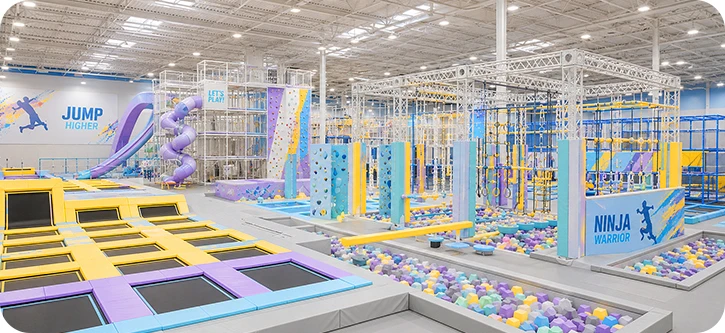
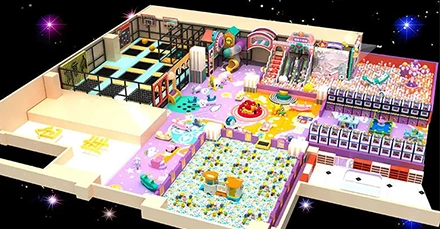
Indoor play areas are enclosed recreational facilities designed primarily for children. They typically include soft play structures, slides, ball pits, climbing frames, trampolines, role-play zones, and interactive games. Unlike outdoor playgrounds, indoor play areas operate year-round and are unaffected by weather conditions.
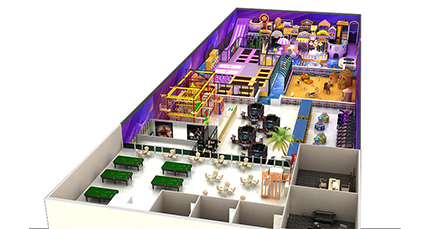
They can vary in size and concept, ranging from small neighborhood play cafés to large-scale indoor amusement parks located in shopping malls or standalone venues.
Starting an indoor playground business can be a smart investment if you meet the right conditions. This business is especially suitable if:
You are located in a family-oriented community or high-foot-traffic area
There is limited competition or a clear market gap
You can secure a suitable indoor space with reasonable rent
You are prepared for upfront equipment and safety compliance costs
While the initial investment can be significant, indoor playgrounds benefit from repeat customers, birthday parties, memberships, and strong word-of-mouth marketing, making them attractive for long-term returns.
Profitability depends on factors such as location, size, pricing strategy, and operational efficiency. On average:
Gross profit margins range from 40% to 60%
Monthly revenue for small to mid-sized facilities can range from USD 15,000 to 50,000
Annual net profit margins often fall between 20% and 35% after expenses
Additional income streams such as birthday parties, food & beverage sales, merchandise, and educational programs can significantly boost overall profits.
Indoor playgrounds offer several advantages that make them a strong business opportunity:
Year-Round Operation – Weather-independent revenue
High Repeat Visits – Children return frequently, encouraging customer loyalty
Multiple Revenue Streams – Tickets, memberships, events, food, and retail
Growing Demand – Increasing focus on child development and family entertainment
Scalable Business Model – Easy to expand with new equipment or franchise opportunities
These factors contribute to stable cash flow and long-term growth potential.
1. Choose the Right Location
High foot traffic areas near shopping centers, residential communities, or schools increase visibility and customer flow.
2. Offer Memberships and Packages
Monthly or annual memberships ensure consistent income and encourage repeat visits.
3. Host Birthday Parties and Events
Party packages are high-margin services and a major profit driver.
4. Optimize Space and Equipment Mix
Use modular, multi-functional play equipment to maximize capacity and play value per square meter.
5. Add Complementary Services
Cafés, parent lounges, educational workshops, and themed activities increase average spending per visit.
6. Focus on Safety and Experience
High safety standards and excellent customer experience build trust, reviews, and long-term brand value.
So, are indoor play areas profitable? The answer is yes—when properly planned and managed. With strong demand, recurring customers, and diversified revenue streams, indoor play areas can deliver attractive and sustainable profits. Success depends on location, operational strategy, and the ability to continuously enhance the customer experience.
Q1: How much does it cost to start an indoor play area?
A: Startup costs typically range from USD 50,000 to over USD 300,000 depending on size, equipment, and location.
Q2: How long does it take to break even?
A: Most indoor playgrounds reach break-even within 12–24 months with stable operations.
Q3: Is an indoor playground suitable for small cities?
A: Yes, especially if competition is limited and pricing matches local spending power.
Q4: What age group is most profitable?
A: Children aged 2–8 are the most frequent users and generate repeat visits.
Q5: Can indoor playgrounds operate as franchises?
A: Yes, many successful indoor play brands scale through franchising models.
 15+ years crafting play
 SGS | EN1176 | ASTM
 40+ countries


 English
 Español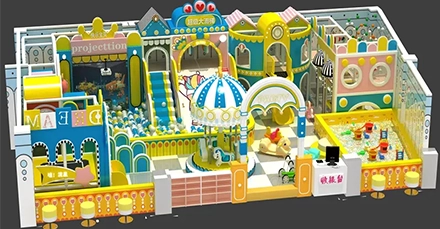
-1507.webp)
.jpg)
.jpg)
.jpg)