


When planning an indoor playground, one of the most crucial factors to consider is the size of the space. Determining the ideal square meters can impact the safety, functionality, and overall experience for your visitors. In this comprehensive guide, we will explore the factors influencing the size of an indoor playground and how to choose the right size for your business.
The size of your indoor playground affects multiple aspects of its design and operation:
1. Safety: Adequate space ensures safety by preventing overcrowding and allowing for proper spacing between play equipment.
2. Visitor Experience: A spacious playground provides children with more room to explore, enhancing their overall experience.
3. Flow of Traffic: Sufficient space helps in managing crowd movement, reducing bottlenecks and creating a smooth flow.
4. Regulations: Safety standards and building codes often mandate minimum space requirements, especially for high-traffic zones.
Several factors play a pivotal role in determining how much space you need for your indoor playground:
1. Target Age Group: Play areas designed for toddlers need less space than those for older children or multi-age groups.
2. Types of Equipment: The size and complexity of the playground equipment, such as climbing structures, slides, and obstacle courses, can impact the total area needed.
3. Visitor Capacity: How many children and adults do you plan to accommodate at any given time? This will determine the space requirements for play zones and seating areas.
4. Safety Zones: Designated safety areas between different play structures or near exits to minimize risks.
5. Accessibility: It’s essential to ensure your playground is accessible to all children, including those with disabilities, which may require additional space.
6. Amenities: Consider space for additional services like cafes, bathrooms, or party areas, which may influence your total space planning.
Indoor playgrounds vary in size depending on their type. Here's a breakdown of different types and their space requirements:
1. Small Playgrounds (50-100 square meters)
Best for small venues, targeting toddlers and young children. The layout may include a few play structures like soft play areas and ball pits.
2. Medium Playgrounds (100-300 square meters)
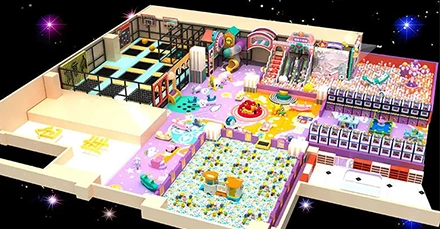
Suitable for larger groups and a broader age range. Includes features like slides, climbing walls, and interactive zones. This size allows for more varied play experiences and can host birthday parties.
3. Large Playgrounds (300+ square meters)
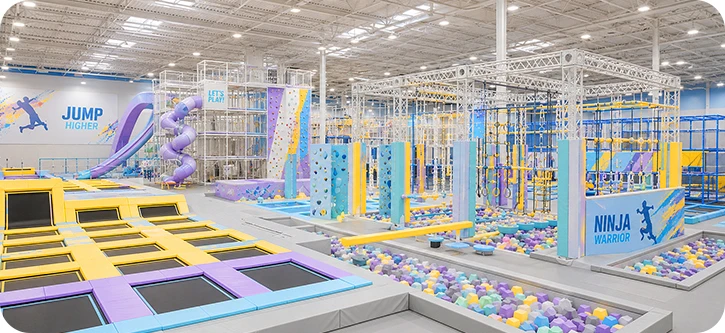
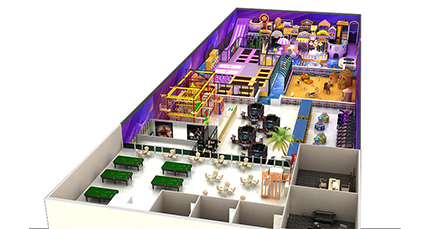
These are comprehensive play zones with multiple themes, large climbing structures, and more complex features, like trampoline zones or inflatable play areas. Ideal for high-traffic venues such as malls or entertainment centers.
Maximizing the space in your indoor playground not only improves the visitor experience but also ensures efficient operation:
1. Vertical Use: Don’t limit your design to horizontal space—use the height of the space creatively, incorporating multi-level play areas.
2. Flexible Zones: Create areas that can be adapted based on the number of visitors or specific needs, such as changing rooms that can double as storage or event spaces.
3. Strategic Layout: Use layouts that reduce congestion and keep play zones open. Avoid cluttering the space with unnecessary structures or equipment.
4. Compact Equipment: Consider using smaller, modular equipment that can be easily rearranged or scaled up based on demand.
5. Safety First: Ensure enough buffer space around play equipment to maintain safe distances and prevent injuries.
Choosing the right size for your indoor playground depends on various considerations, including budget, location, and target audience:
1. Budget Considerations: Larger spaces require more investment, not just for equipment, but also for maintenance, utilities, and staff. Ensure your budget aligns with your space size.
2. Location and Market: If you are operating in a high-traffic area, such as a shopping mall, you may need more space to accommodate large crowds. Conversely, in quieter areas, smaller spaces may be more practical.
3. Long-Term Growth: Consider future expansions when choosing your playground’s size. Will you be able to add new equipment or services as your business grows?
4. Operational Efficiency: Choose a size that allows for smooth operation, where staff can easily supervise children, maintain the playground, and ensure safety.
The size of your indoor playground is one of the most important factors to get right. By understanding the various factors that influence the space requirements, you can create a safe, fun, and efficient environment for children and their families. Whether you opt for a smaller, intimate playground or a large, expansive venue, ensuring that your space is carefully planned and optimized is key to the success of your business.
When considering equipment for your playground, Ningke’s Indoor Playground Equipment offers a variety of options suitable for different space sizes. Their modular designs ensure that you can create a fun, flexible, and safe environment tailored to your needs.
Q1. What is the minimum space required for an indoor playground?
The minimum space for a small indoor playground can be as low as 50-100 square meters, though larger spaces are recommended for accommodating more children and offering a broader range of activities.
Q2. Can I operate a profitable indoor playground in a small space?
Yes, small spaces can still be profitable by focusing on high-quality, engaging play equipment and ensuring a well-managed flow of visitors. Choosing the right equipment, such as Ningke’s compact play structures, can maximize smaller spaces.
Q3. How do I ensure safety in a limited indoor playground space?
Safety should always be a top priority, even in smaller spaces. Ensure clear walking paths, non-slip surfaces, and that play equipment is age-appropriate. Maintain proper supervision and allow sufficient buffer zones between structures.
Q4. What type of indoor playground equipment is best for small spaces?
Modular, space-efficient equipment such as soft play areas, ball pits, and climbing walls can work well in small areas. Ningke offers such equipment, designed to optimize space while maintaining a fun and safe environment.
Q5. Can I expand my indoor playground later?
Many indoor playgrounds start with smaller spaces and expand over time. If you're planning for growth, consider designing the layout with future expansion in mind and use modular equipment that can be easily added to as your business grows.
 15+ years crafting play
 SGS | EN1176 | ASTM
 40+ countries


 English
 Español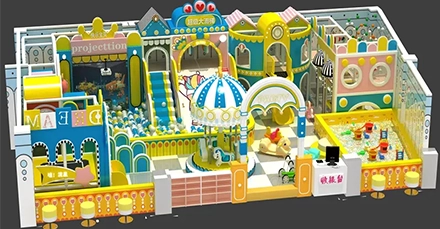
-1507.webp)
.jpg)
.jpg)
.jpg)