


You’re designing a play space for children. Maybe it‘s a daycare center, a school, or a family entertainment venue. The equipment you choose will shape how children move, interact, and learn. It’s not just about fun — it‘s about development.
Indoor play equipment does more than entertain. It builds motor skills, encourages social interaction, and supports cognitive growth through active, imaginative play. Climbing structures develop coordination and problem-solving. Ball pools and slides build spatial awareness. Interactive zones foster communication and teamwork. This guide covers how different types of play equipment support child development and what to look for when choosing equipment for your venue.
Physical play is the foundation of child development. Indoor play equipment provides safe, structured environments for children to develop essential motor skills.
Climbing structures, slides, and trampolines develop large muscle groups. Climbing requires children to coordinate their arms and legs, building strength and balance. Sliding teaches body awareness and spatial orientation. Jumping and bouncing on trampolines or soft play surfaces develops coordination and cardiovascular fitness. These activities build the foundation for more complex physical skills later in life.
Climbing holds, rope courses, and interactive panels develop fine motor skills. Gripping handholds builds hand strength. Balancing on beams or stepping stones develops coordination. Manipulating interactive elements — buttons, wheels, puzzles — builds dexterity. Themed play equipment like the Candy Series integrates these elements into engaging, age-appropriate activities.
Slides teach children to judge distance and speed. Tunnels develop spatial orientation — children learn to navigate through confined spaces. Ball pools provide sensory feedback that helps children understand their position in space. These experiences build the spatial awareness that underpins everything from reading to sports.
Below is a quick reference table for development skills and play elements:
| Skill Area | Play Element | Developmental Benefit |
|---|---|---|
| Gross motor | Climbing structures | Strength, coordination, balance |
| Gross motor | Slides | Body awareness, spatial judgment |
| Gross motor | Trampolines | Cardiovascular fitness, coordination |
| Fine motor | Climbing holds | Grip strength, hand-eye coordination |
| Fine motor | Interactive panels | Dexterity, problem-solving |
| Sensory | Ball pools | Tactile feedback, spatial awareness |
| Sensory | Tunnels | Spatial orientation, confidence |
| Social | Multi-user slides | Turn-taking, cooperation |
| Social | Interactive zones | Communication, teamwork |
Play is how children learn to interact with others. The right equipment creates opportunities for social growth.
Multi-lane slides and climbing structures naturally encourage turn-taking. Children learn to wait their turn, share space, and navigate shared equipment. These seemingly simple interactions build the foundation for cooperation and social awareness.
Themed environments — castles, pirate ships, candy lands — spark imaginative play. Children negotiate roles, create stories, and communicate with each other. Imaginative play builds vocabulary, narrative skills, and social understanding. Equipment that supports themed play does more than entertain — it develops communication skills.
Ball pools, soft play areas, and interactive zones support different types of social play. Younger children engage in parallel play — playing alongside each other without direct interaction. Older children engage in cooperative play — working together toward shared goals. Both types of play build social skills that translate to school and beyond.
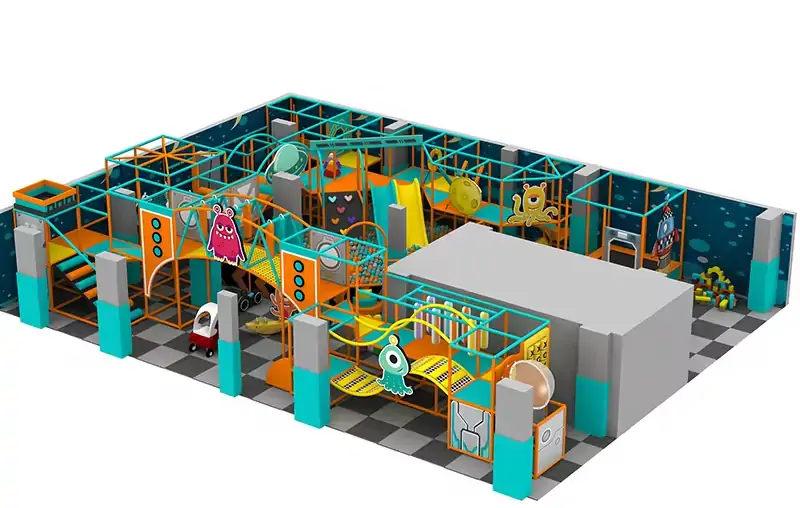
Children can only develop if they feel safe. Equipment that’s built to safety standards and quality materials provides the secure environment children need to explore and grow.
EN1176 (European playground standard) and ASTM F1487 (U.S. standard) are the industry benchmarks for playground safety. Equipment certified to these standards has been tested for entrapment hazards, impact attenuation, and structural integrity. For venue operators, these certifications provide assurance that the equipment is safe for children to use.
Galvanized steel frames provide the structural integrity that active play requires. Soft PVC padding absorbs impact, reducing the risk of injury. Non-toxic materials ensure safety even when children touch surfaces with their mouths. Quality materials don‘t just last longer — they protect children while they play and develop.
The best play equipment challenges children without frustrating them. Age-appropriate design ensures children can succeed — building confidence — while still being challenged enough to develop new skills. Equipment that’s too easy doesn‘t promote growth. Equipment that’s too hard leads to frustration. The right balance supports development at every stage.
Q: How does indoor play equipment support child development?
A: Indoor play equipment supports development through physical activity, social interaction, and cognitive engagement. Climbing builds gross motor skills and coordination. Interactive elements develop fine motor skills and problem-solving. Themed play environments encourage imaginative play and communication. Ball pools and tunnels develop spatial awareness and sensory processing.
Q: What should I look for in equipment for younger children?
A: For younger children (toddlers to early elementary), look for equipment that emphasizes gross motor development — climbing, sliding, and balancing. Soft surfaces and age-appropriate heights are essential. Equipment should encourage exploration without frustration. Interactive panels and sensory elements add developmental value.
Q: What should I look for in equipment for older children?
A: For older children, look for equipment that offers more physical challenges — higher climbing structures, rope courses, and more complex interactive elements. Equipment that encourages cooperative play builds social skills. Themed environments that support imaginative play remain valuable at all ages.
Q: What safety certifications should I look for?
A: Look for EN1176 (European standard) and ASTM F1487 (U.S. standard) compliance. CE marking is required for equipment exported to Europe. CPC certification provides additional assurance of consumer safety. These certifications indicate third-party verification of safety compliance.
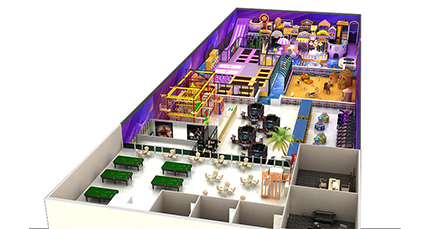
Ningke Playground designs indoor play equipment with child development in mind. The multifunctional slide adventure playground features rainbow tunnels, trampoline parks, climbing walls, interactive game projection, and mini cars. Each element is designed to support different aspects of child development — physical, social, and cognitive.
The equipment uses durable, safe materials that meet EN1176 and ASTM safety standards. Colorful designs and engaging themes capture children‘s attention and encourage repeated visits. Customizable configurations adapt to different spaces and age groups, ensuring the equipment fits your venue and your development goals.
For daycare centers, schools, and family entertainment venues, the combination of development-focused design, safety certification, and durable construction makes Ningke‘s indoor play equipment a practical choice. Before you commit to equipment, consider your age group, space constraints, and development goals — the right equipment supports children’s growth while building your business.
Ready to explore indoor play equipment that supports child development? Contact Ningke Playground for a quote or consultation. Share your space, target age group, and development goals — their team can recommend the right equipment for your venue.
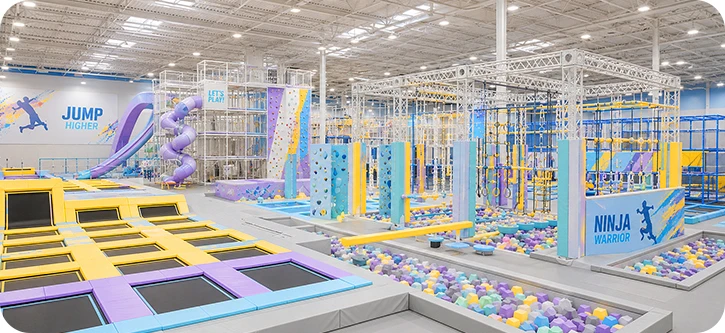
 15+ years crafting play
 SGS | EN1176 | ASTM
 40+ countries


 English
 Español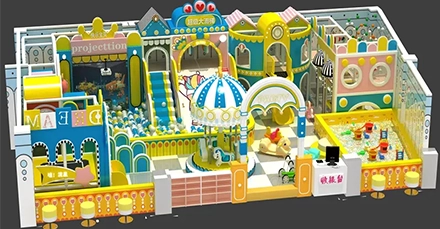
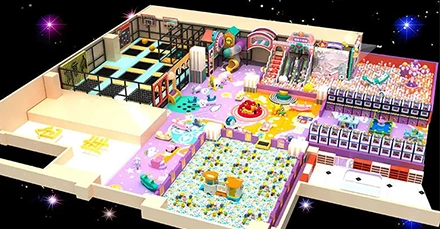
-1507.webp)
.jpg)
.jpg)
.jpg)